Sunshine, rain, whales and jungle each show up on their own schedule in Ojochal. Here's how to plan around them.
If you're planning a trip to Ojochal and searching for the "best" time to go, here's the honest, short version: it depends on what you're prioritizing.
For travelers who want the most sunshine and the lowest chance of rain, mid-December through mid-April is generally the strongest period in the Costa Ballena region. Roads are easier, beach days are more predictable, and outdoor plans rarely get rained out.
But that's not the whole story. Travelers interested in lush rainforest, dramatic waterfalls, active wildlife, fewer crowds, or whale watching often prefer other parts of the year — including some of the wettest months on the calendar.
Ojochal isn't a place with one good season. It's a place with several different trips available, depending on when you come.
Here's what to actually expect, month by month.
Understanding Ojochal's Weather
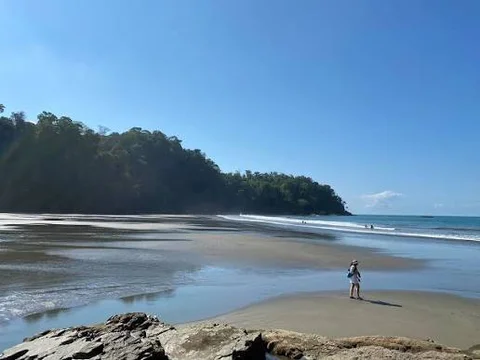
Ojochal sits on Costa Rica's South Pacific coast, in the Costa Ballena region, close to Uvita and Marino Ballena National Park. Costa Rica doesn't experience four traditional seasons the way much of North America does. Instead, this part of the country primarily experiences two:
- Dry season: approximately mid-December through mid-April
- Green (rainy) season: approximately mid-April through mid-December
These are general patterns, not guarantees. Costa Rica's Sistema Nacional de Áreas de Conservación (SINAC), which manages Marino Ballena National Park, describes the same two seasons for this exact area — dry season with sporadic rain from mid-December to mid-April, and rainy season from mid-April to mid-December.
Rainforest weather can vary by day, by elevation and by exact location, even within Costa Ballena. And "rainy season" doesn't mean continuous, all-day rain. A typical green-season day often starts with sun or partial cloud, builds toward afternoon cloud cover, and brings a tropical shower or heavier rain later in the day or evening — not a washout from morning to night.
December — The Transition to Dry Season
December is one of our favorite months to recommend, and it's a great example of why "best time" isn't one simple answer.
Early in the month, the landscape is still exceptionally green from the tail end of rainy season — waterfalls are full, rivers are running, and the jungle is at its most lush. As the month goes on, rainfall generally starts decreasing and sunshine increases, which is exactly why dry season is considered to begin around mid-December.
December also marks the start of peak travel season. The Christmas and New Year's period draws more visitors, so restaurants, tours and accommodations can be busier and should be booked ahead. It's also roughly when the Northern Hemisphere humpback whale migration begins arriving along this coast (more on that below).
Because of this transition, early December and late December in Ojochal, Costa Rica can genuinely feel different from each other — greener and quieter early on, sunnier and busier by the holidays.
January & February — Prime Dry Season
For a lot of first-time visitors, January and February are the easiest months to plan around. Weather is generally sunny with lower rainfall, which makes beach days, waterfall visits, hiking and outdoor excursions more predictable. Roads — including some of the unpaved stretches around Ojochal — are typically in easier condition than during rainy season, and the Pacific stays warm for swimming.
This combination of reliable weather and easy logistics is a big part of why Ojochal, Costa Rica in January and Ojochal, Costa Rica in February are both popular searches from travelers planning their first Costa Rica trip.
The trade-off: this is also high season. Popular restaurants, tours and accommodations can book up earlier than travelers expect, so it's worth planning ahead rather than arriving without reservations.
March & Early April — Hot, Sunny & Dry
By March and the first half of April, you're toward the end of dry season. Days are hot and sunny, rainfall stays low, and the landscape may not be as intensely green as it was right after rainy season or as it will be again once the rains return — the ground has had months to dry out.
This is still an excellent window for beach days, pool time, waterfall visits and outdoor activities in general. If your trip lands around Semana Santa (Easter week), be aware that it's a major domestic travel period in Costa Rica, and beaches, roads and accommodations across the country tend to be busier than usual that specific week.
Late April Through June — The Green Season Returns
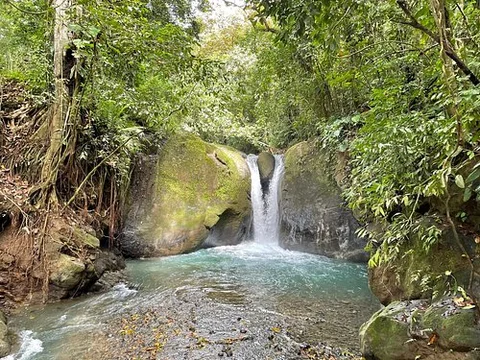
Late April into May is when the transition back to green season really shows up. Vegetation that dried out over dry season starts turning intensely green again, and rain begins returning to the forecast.
Rainy season doesn't automatically mean a ruined vacation. A common strategy is simply planning weather-sensitive outdoor activities — hikes, waterfall visits, beach days — earlier in the day, before afternoon clouds typically build. Many travelers who visit during this window enjoy fewer crowds and a noticeably lush, tropical landscape. We won't promise lower prices, since rates vary by property and season, but this stretch is generally a quieter time to visit.
July & August — Green Season + Whales
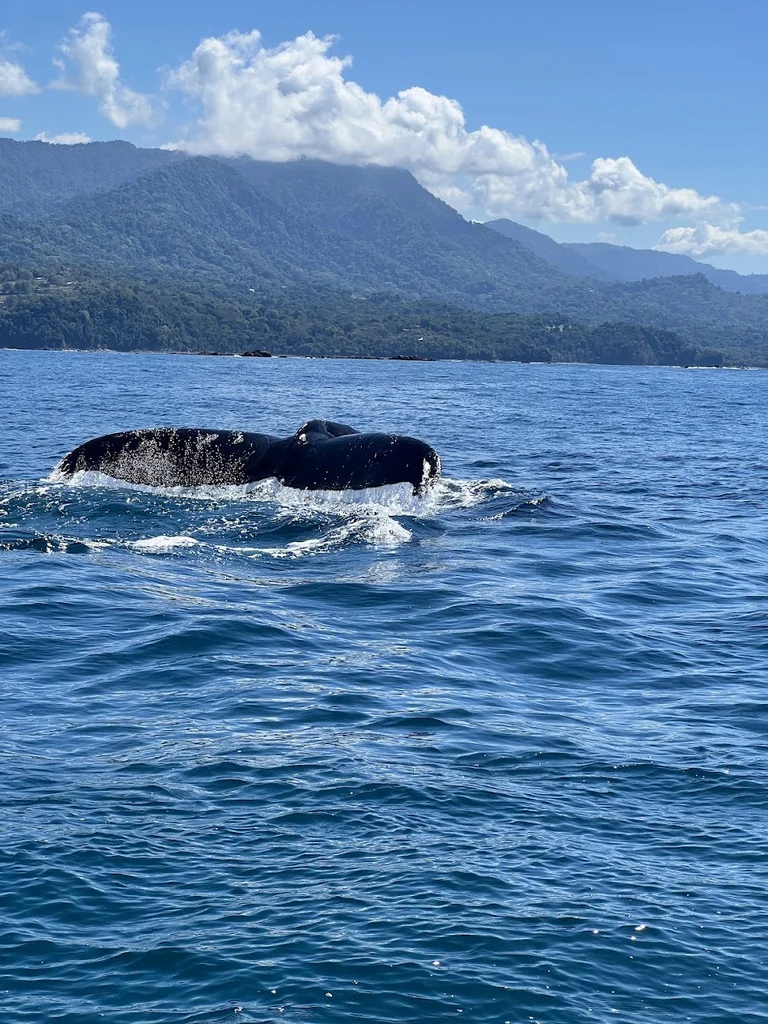
July and August are squarely in green season, and travelers should expect rain — but this is also when things start getting genuinely interesting for wildlife.
Humpback whales migrating from the Southern Hemisphere begin arriving along Costa Rica's South Pacific coast around this period. Marino Ballena National Park, just north of Ojochal near Uvita, is one of Costa Rica's most important whale-watching areas — and one of the few places in the world where humpbacks from two different hemispheres use the same waters at different times of year.
July and August won't give you dry-season sunshine. What they can offer is lush, dramatic scenery and an early window into one of the region's best wildlife seasons.
September & October — Peak Green Season and Whale Watching
September and October are, honestly, among the wettest months on Costa Rica's Pacific side. If sunshine is your top priority, this isn't the window for you.
But if whale watching is a priority, this period deserves serious consideration. SINAC's official information for Marino Ballena National Park lists whale-watching season as running from July through November, and multiple conservation and tour sources point to August and September specifically as peak activity for the Southern Hemisphere humpback population — the larger of the two groups that visit this coast.
This is one of the clearest examples in this whole guide of why "best time to visit" depends entirely on what you want. More rain, yes — but also the most spectacular green landscapes of the year and some of the best seasonal wildlife opportunities on this coast. Waterfalls are typically at their fullest during this stretch as well.
November — The Transition Month
November is the mirror image of April — a transition, this time toward dry season. Conditions can vary quite a bit from year to year and even week to week. The landscape is still green, but rainfall generally starts trending downward as the region approaches December.
We wouldn't promise specific weather or pricing for November, but it's an interesting shoulder-season option for travelers who want a taste of green-season scenery without committing to the wettest months.
When Is the Best Time to See Whales Near Ojochal?
This gets its own section because it's one of the most common questions we hear.
Marino Ballena National Park in Uvita — a short drive from Ojochal — receives humpback whales from two separate migrating populations, which is part of what makes it such a notable spot:
- Southern Hemisphere whales: generally present from around July/August through November/December
- Northern Hemisphere whales: generally present from around December through March/April
Official and conservation sources describe the exact boundaries of these windows slightly differently from year to year and source to source, so treat these as general ranges rather than fixed calendar dates. SINAC's own park page for Marino Ballena lists whale-watching season as July through November. Several tour operators and conservation groups point to August and September as the strongest weeks for the Southern Hemisphere population specifically.
Whatever month you visit, keep expectations realistic: wildlife sightings are never guaranteed, on a whale tour or otherwise. What is reliably present, according to SINAC, is resident dolphins in the park's waters throughout the year — so a boat trip out of Uvita can be worthwhile even outside peak whale season.
So, What Is the Best Month to Visit Ojochal?
Here's the short version, organized by what you actually care about:
These are general guidelines based on typical seasonal patterns, not guarantees for any specific trip.
Month-by-Month Weather & Whale Guide
January
February
March
April (early)
April (late) – May
June
July
August
September
October
November
December
Rainfall and whale-sighting patterns vary year to year. This guide reflects general seasonal tendencies for the Costa Ballena / Ojochal area, not a forecast.
Is Rainy Season a Bad Time to Visit Ojochal?
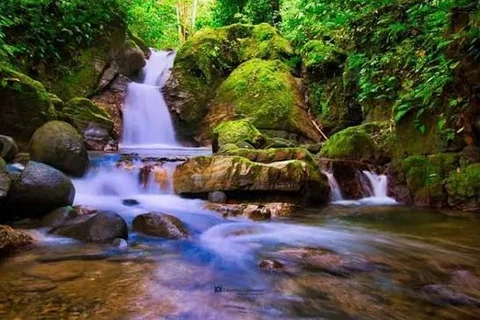
No — but it's a genuinely different experience, and it's worth going in with the right expectations.
Costa Ballena's rainforest, waterfalls, rivers, wildlife habitat and green mountains exist because this region receives significant rainfall. Green season is, in a real sense, what makes the rest of the year possible. Visiting during it means dramatic tropical scenery, the greenest vegetation of the year, waterfalls and rivers running at their fullest, and generally active wildlife.
It also means planning around the realities of a tropical wet season: afternoon and evening showers, occasional tropical storms, roads and trails that can get muddy, and ocean conditions that can change quickly. Flexibility matters more during this time of year — building in room to shift plans around the weather, rather than locking in a rigid hour-by-hour itinerary. Doing weather-sensitive activities earlier in the day, before clouds typically build, is a simple habit that helps.
None of this should be romanticized into "no big deal." Visitors should always follow current local conditions and the guidance of tour operators, park officials and posted road and ocean safety information, rather than assuming a plan made months in advance will hold regardless of what's happening on the ground that day.
What Should You Pack?
Dry Season
- Lightweight clothing
- Sunscreen
- Hat
- Swimsuit
- Insect repellent
- Reusable water bottle
Green Season
- Everything from dry season, plus:
- Lightweight rain jacket
- Quick-dry clothing
- Waterproof or dry bag
- Sturdy footwear for wet trails
- Backup shoes or sandals
Why Ojochal Works as a Costa Ballena Home Base
Whatever time of year you visit, Ojochal's location is a big part of what makes it work as a base for exploring Costa Ballena. From here, you're close to the region's beaches, Uvita and Marino Ballena National Park, waterfalls, a genuinely strong restaurant scene, active wildlife, and destinations further afield like Dominical.
If you're still working out what there is to do once you've decided when to go, our guide to things to do in and around Ojochal and our comparison of Ojochal vs. Uvita are good next stops.
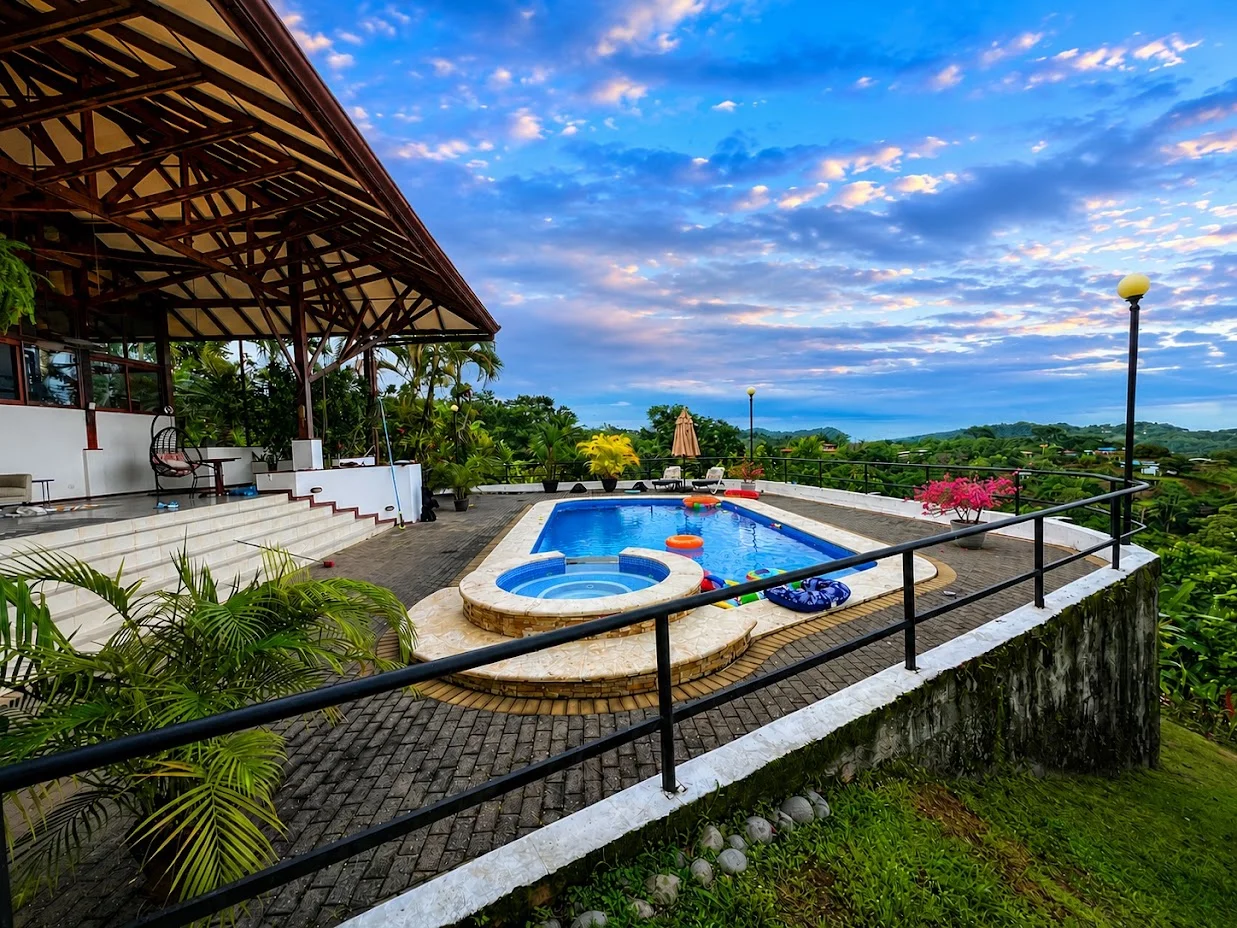
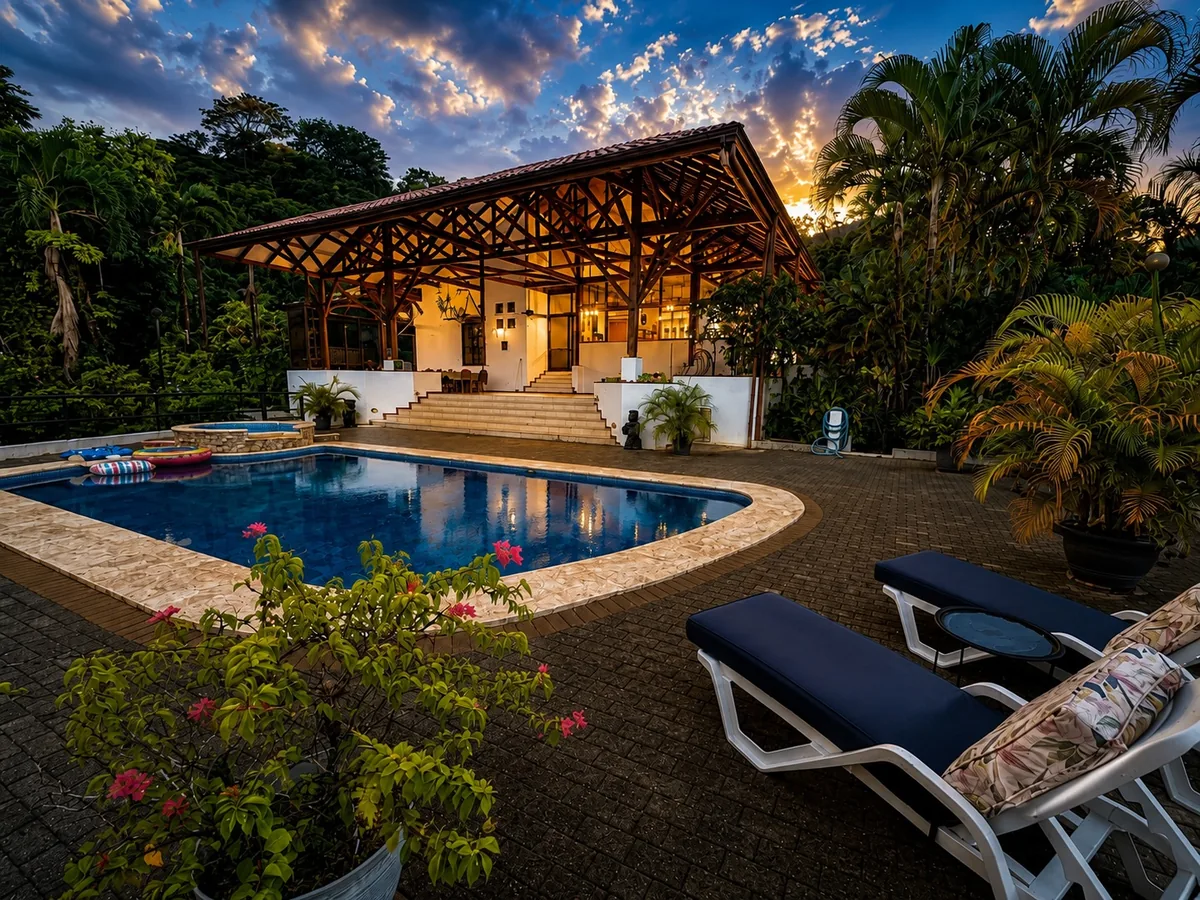
For travelers deciding where to stay, Casa Cascada is one option worth knowing about — a private four-bedroom villa in the hills above Ojochal, with a pool, jacuzzi and Pacific views. It's roughly 5 minutes from Ojochal's restaurants and town amenities, about 10 minutes from Playa Ventanas, and within easy reach of the rest of Costa Ballena described throughout this guide. If you're comparing accommodation styles for your trip, our guide to where to stay in Ojochal walks through hotels, lodges and private villas side by side.
Frequently Asked Questions
What is the best month to visit Ojochal, Costa Rica?
It depends on what you want. For the most sunshine and lowest rainfall, January through March is generally strongest. December offers a nice mix of a still-green landscape and improving weather. For whale watching, August through October is typically the most productive stretch, even though it's also rainier.
When is dry season in Ojochal?
Dry season in the Costa Ballena region runs approximately mid-December through mid-April, with sporadic rain even during this period.
When is rainy season in Ojochal?
Green (rainy) season runs approximately mid-April through mid-December. Rainfall generally increases through the middle of this period and tends to be heaviest in September and October.
Does it rain all day during rainy season in Costa Rica?
Not usually. Green-season days often start sunny or partly cloudy, with clouds building through the day and rain arriving in the afternoon or evening. Multi-day, all-day rain events can happen, but they aren't the daily norm.
When can you see whales in Uvita?
Marino Ballena National Park near Uvita gets humpback whales from two different populations. Southern Hemisphere whales are generally present from around July through November, with August and September widely considered peak months. Northern Hemisphere whales are generally present from around December through March or April. Sightings are never guaranteed, but resident dolphins can be seen in the area year-round.
Is December a good time to visit Ojochal?
Yes. December is a transition month — the landscape is still exceptionally green from rainy season, rainfall is generally decreasing, and it's the start of the Northern Hemisphere whale season. It's also the beginning of peak travel season, so the Christmas and New Year's period can be busy and accommodations book early.
Is January a good time to visit Ojochal?
Yes. January is prime dry season — generally sunny, lower rainfall, and one of the easier months for first-time visitors who want predictable outdoor weather. It’s also high season, so book accommodations and popular tours ahead of time.
Is February a good time to visit Ojochal?
Yes. February is typically similar to January — sunny, dry, and a strong month for beaches, waterfalls and outdoor activities. It also falls within the Northern Hemisphere whale-watching window.
Is Ojochal worth visiting during rainy season?
Yes, for the right traveler. Rainy season is when the region's waterfalls, rivers and rainforest are at their most dramatic, and it includes the Southern Hemisphere whale-watching peak. It does mean planning around rain, potential muddy trails and changing ocean conditions, and following local guidance on safety.